

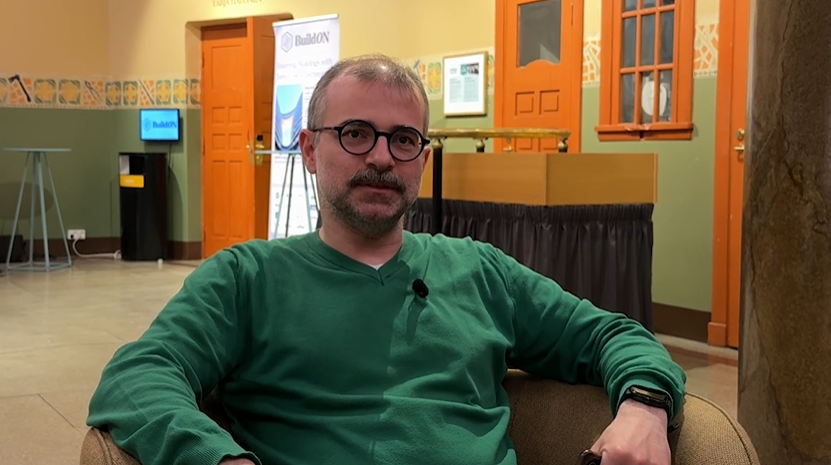
The EU-funded BuildON project has developed a platform that interconnects the IoT devices installed in its pilot buildings, such as sensors, meters and controllers, with the digital services designed to monitor and manage their energy use. The platform is provided by HOLISTIC, a company based in Athens, Greece. In a new video interview, Stravodimos explains how it works and why it matters.
Watch the Stravodimos interview
Devices in a building often come from different manufacturers and do not communicate easily with each other or with management software. To address this, HOLISTIC extended its platform during the project to support devices from several additional manufacturers. It also developed a “cloud controller”, a cloud-based gateway through which all these devices communicate with the BuildON solution. Stravodimos summarises the company’s role:
“We serve as the interconnector between the hardware installed at our pilots and the software developed for the services in this project.”
The interview also covers smart readiness, meaning a building’s ability to use digital technologies to improve its performance and respond to the needs of occupants. The assessment starts with an inspection of the building which is then evaluated on the smart features it already has and on its potential to be upgraded with new ones.
According to Stravodimos, the main challenge has been deploying these technologies at the same time in several pilot sites. The pilots are in different countries, operate under different frameworks and involve different types of buildings, yet all of them must come together in a single technical solution. Throughout, the aim has been to improve everyday life for the people who use these buildings through simple, low-cost technologies.
Looking ahead, he describes buildings that become active members of a wider digital ecosystem:
“Our buildings will be part of communities. They will share their data, they will have their identity and they will be able to communicate with one another, exchange experiences and decide, through historical knowledge and predictions for the future, what to do.”